
Crystals have long been admired for their clarity, structure, and unique ability to reflect and refract light—much like the complex, multifaceted situation currently facing Crystal Palace in European football.
When football fans hear the name Crystal Palace, it’s easy to picture the historic London football club and their passionate supporters. Yet, in the world of crystals, we also find meaningful connections—structures governed by rules, symmetry, and balance. The latest developments involving Crystal Palace’s Europa League status shine a light on how regulations can shape outcomes, both on and off the pitch.
The Crystal Structure of European Football
In crystallography, each atom’s placement impacts the whole structure. Similarly, UEFA’s club ownership rules create a framework that dictates which teams can participate in competitions. Crystal Palace’s recent FA Cup triumph earned them a spot in the Europa League—a dazzling achievement akin to uncovering a rare gemstone.
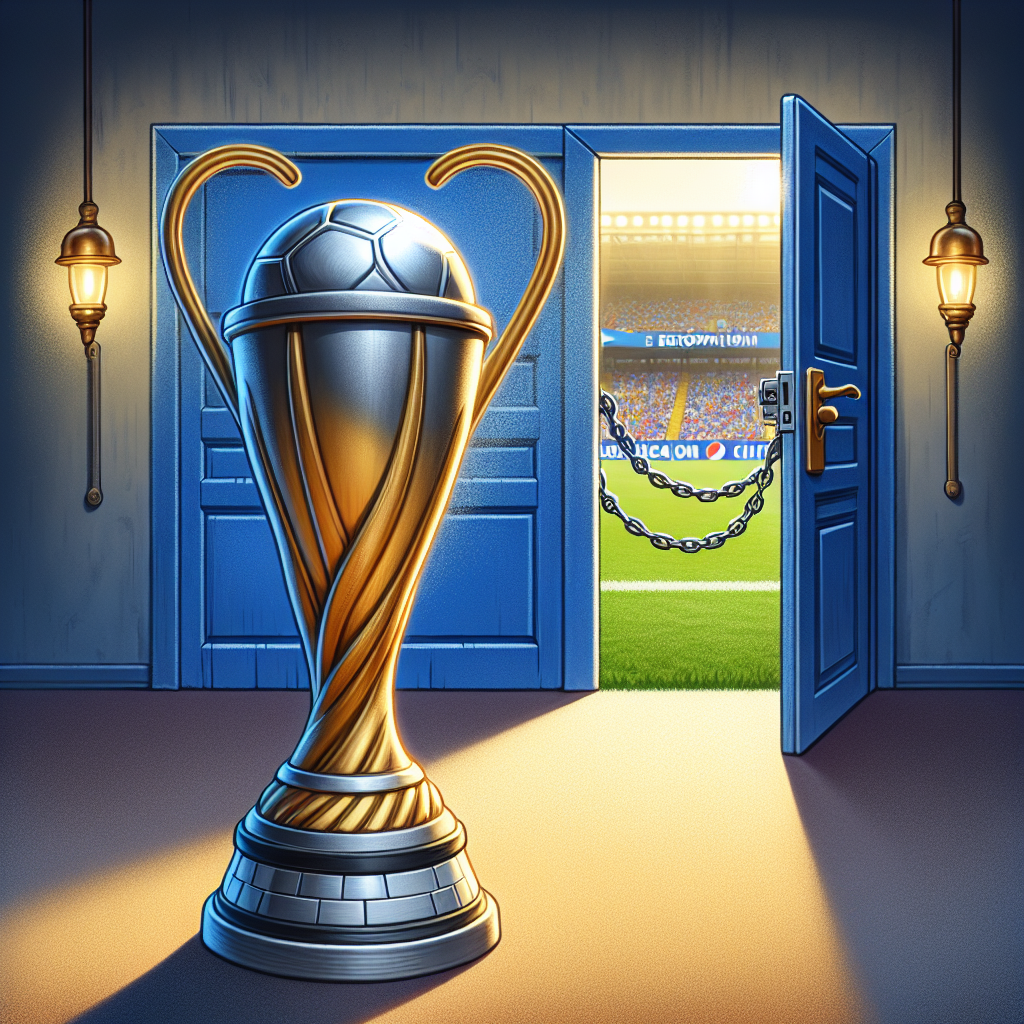
However, just as certain inclusions can compromise a crystal’s integrity, overlapping club ownership has complicated Palace’s rightful claim. Both Crystal Palace and French club Lyon are owned by John Textor, and under UEFA regulations, two clubs with shared majority ownership cannot compete in the same competition. Because Lyon finished higher in their domestic league, the structure tilts in their favor.
The Ripple Effect: How One Change Alters the Entire System
Think of a crystal lattice: if you move one atom, the entire formation adjusts. Similarly, should Palace be denied entry:
- Lyon would take precedence due to their league position.
- Nottingham Forest could be elevated from the Conference League to fill Palace’s potential vacancy.
- Brighton might then be bumped up into the Conference League, following Forest’s promotion.
Appealing for Clarity: Crystal Palace's Battle for Europe
Just as gemologists seek clarity in their specimens, Crystal Palace is appealing UEFA’s decision in hopes of clearing the way for their European journey. If successful, they could yet take their well-earned place among Europe’s elite clubs—a fitting testament to perseverance and resilience.
Lessons from Crystals and Clubs
This situation reminds us why structure matters—be it in geology or global sport. The rules designed to ensure fairness and prevent conflicts of interest are like the laws of nature that give crystals their perfect symmetry. Yet, they can also result in unexpected outcomes when multiple interests overlap.
Shared ownership can cloud the crystal-clear integrity of competition. Regulatory frameworks serve as both protection and limitation. Transparency and fairness remain key, just as clarity enhances a gemstone’s value.
For those who admire both crystals and football, this saga is a fascinating interplay between natural order and human ambition.
Seeking Harmony Amid Complexity
Just as a perfect crystal embodies harmony and order, football too strives for equilibrium amidst shifting circumstances. Crystal Palace’s Europa League challenge is a modern reminder that even brilliant achievements are subject to greater forces—whether rules set by nature or by governing bodies.
Let’s keep an eye on how this crystal-clear conflict resolves. For more details on this unfolding story, you can read the original article here: Crystal Palace Europa League story.
Stay luminous and balanced—may your own path be as clear and radiant as the finest crystal!




Leave a Comment