

Crystals are not just mesmerizing in jewelry stores—they can also play a crucial role inside our own bodies, sometimes with less-than-glamorous effects.
When we think of crystals, we often imagine sparkling gemstones or shimmering geodes. However, the human body can also produce its own crystals—specifically, uric acid crystals. While these are invisible to the naked eye, their impact on health is anything but hidden, especially when uric acid levels rise too high.
Uric acid is a natural waste product formed when the body breaks down purines, substances found in certain foods and drinks. Normally, uric acid dissolves in the blood and passes through the kidneys, exiting the body via urine. But when there’s too much uric acid in the bloodstream—a condition called hyperuricemia—the excess can crystallize.
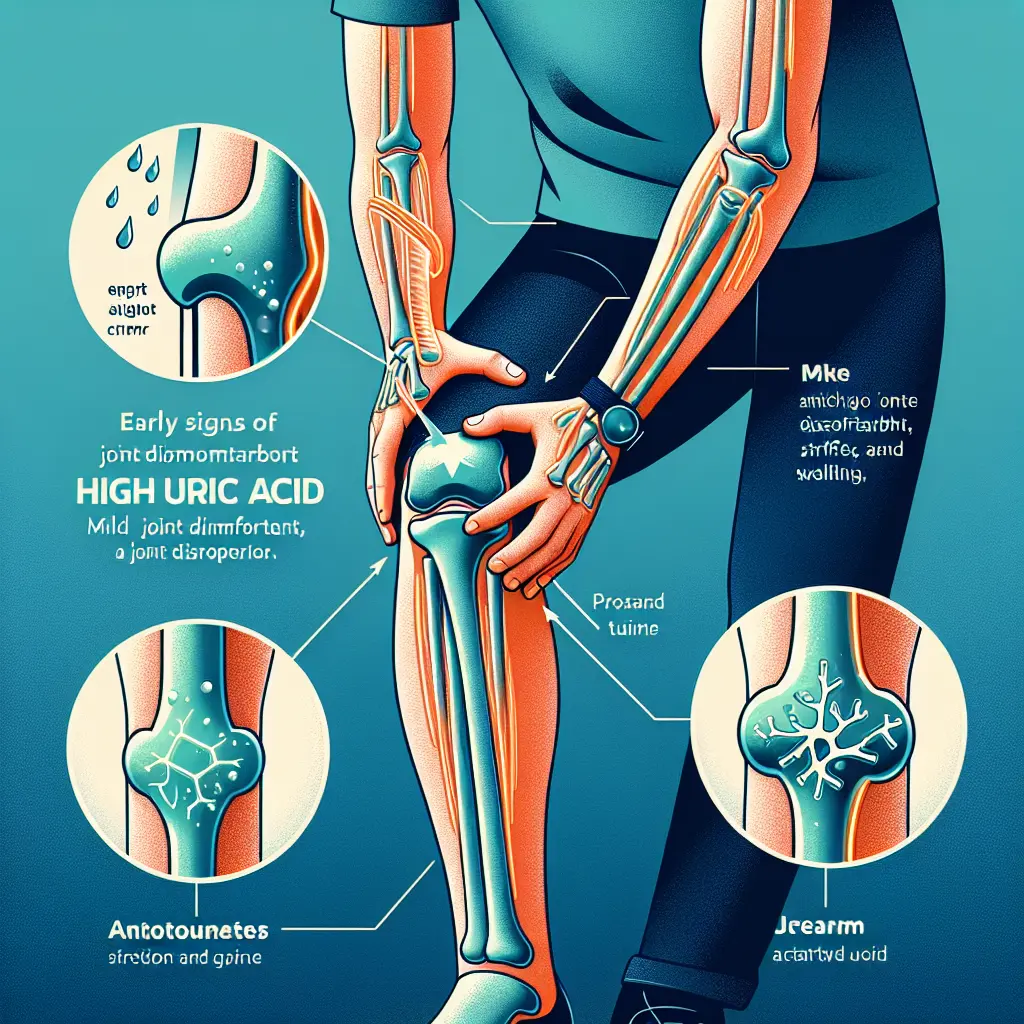
These tiny, sharp uric acid crystals tend to accumulate in the joints, most commonly in the big toe, but also in other joints. Unlike the beautiful patterns we see in mineral shops, these crystals can bring pain and discomfort.
High uric acid levels can sneak up on you. Here are five subtle symptoms that might indicate your body is producing unwanted crystals:
1. Mild Joint Discomfort: At first, you may notice mild aches or stiffness, especially in the mornings or after periods of inactivity.
2. Swelling and Redness: Slight swelling and a reddish hue can appear around affected joints, often mistaken for minor injuries.
3. A Feeling of Warmth: The inflamed area might feel warm to the touch as your body reacts to crystal deposits.
4. Reduced Range of Motion: Movement may become slightly restricted as inflammation sets in, often without obvious cause.
5. Occasional Flare-Ups: Sometimes you may experience intermittent attacks of more intense pain—these are known as gout flares, directly caused by uric acid crystals.
The Hidden Impact of Uric Acid Crystals
While joint issues are the most obvious signs of uric acid crystal formation, these crystals can also silently harm your kidneys. If left unchecked, high uric acid levels can contribute to kidney stones—another form of crystal build-up—and potentially lead to kidney damage over time.
It’s crucial to monitor uric acid levels to prevent unwanted crystal formation. Here are a few ways to help:
Stay hydrated to assist your kidneys in flushing out excess uric acid.
Limit intake of high-purine foods like red meat, shellfish, and certain alcoholic beverages.
Regular check-ups and blood tests can help catch hyperuricemia before it causes major issues.
Crystals may be beautiful on display but, within our bodies, they’re best kept in balance. By staying aware of the subtle signs of uric acid crystal build-up and taking proactive steps for your health, you can enjoy the beauty of crystals where they belong—in nature and art, not in your joints!
Resources for More Information
For more information on this topic, you can read further here.
By recognizing early symptoms and making healthy lifestyle choices, you can reduce the risk of painful complications associated with uric acid crystals.
Keep an eye on your wellbeing and remember that staying informed is your best defense against hidden health risks.
Stay sparkling—but only on the outside!






Leave a Comment