
Crystals have long fascinated people around the world, sparking intrigue, devotion, and, sometimes, controversy.
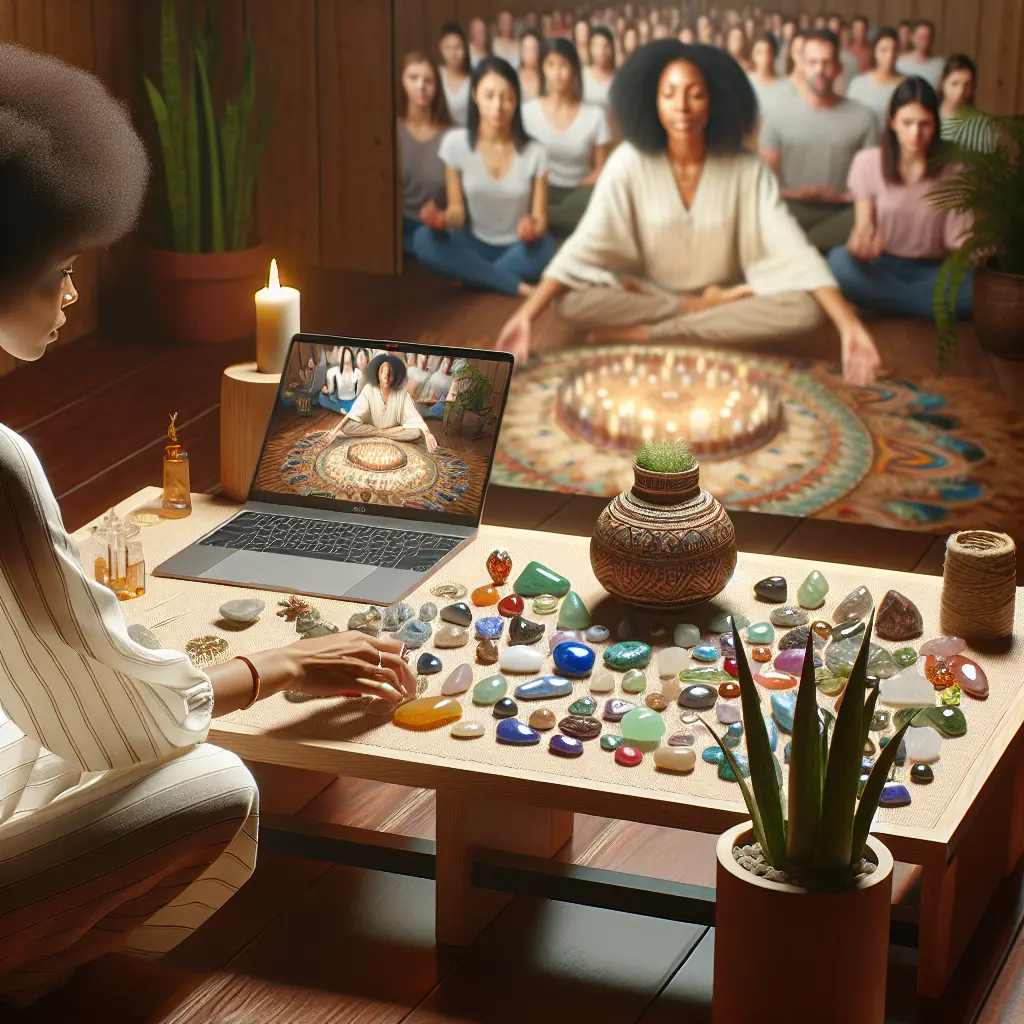
Recently, the spotlight has turned to Nollywood actress Nancy Isime, who shared a video unboxing and arranging gemstones in her prayer and meditation area. This act, though personal and meaningful to her, ignited a heated debate on social media. Many supporters applauded her for embracing crystals, while critics voiced concerns, some even labeling the practice as “demonic.”
Crystals and gemstones are increasingly finding their place in modern wellness routines. From amethyst to rose quartz, many individuals integrate these natural stones into their spiritual and self-care practices. People use crystals for meditation by holding or placing them nearby to deepen focus and relaxation; arranging them in prayer spaces to enhance positive energy or create a peaceful ambiance; and for manifestation, where some believe setting intentions with specific stones can help bring about desired outcomes. Nancy Isime’s display of gemstones is a reflection of this wider trend—using crystals as tools for mindfulness, intention setting, and spiritual connection.
Whenever someone in the public eye shares their spiritual practices, it often prompts a flurry of opinions. In this case, Nancy’s use of gemstones in her prayer space led to accusations of dark or demonic practices by some online users. This reaction highlights how deeply personal—and sometimes misunderstood—spiritual rituals can be. It’s important to note that views on crystals vary widely across cultures and belief systems. What may be seen as spiritual or healing in one context could be viewed skeptically in another. Using crystals is a personal choice, and for many, it’s about enhancing one’s well-being rather than invoking supernatural powers.
Let’s dispel some common myths about crystals: Crystals are not inherently “good” or “evil”—their significance depends on the meaning and intention ascribed by the user. Scientific evidence on healing properties is limited, but many find comfort, motivation, or mindfulness through their use. Crystals have been used for centuries in various cultures for decorative, symbolic, and meditative purposes.
Incorporating Crystals Mindfully
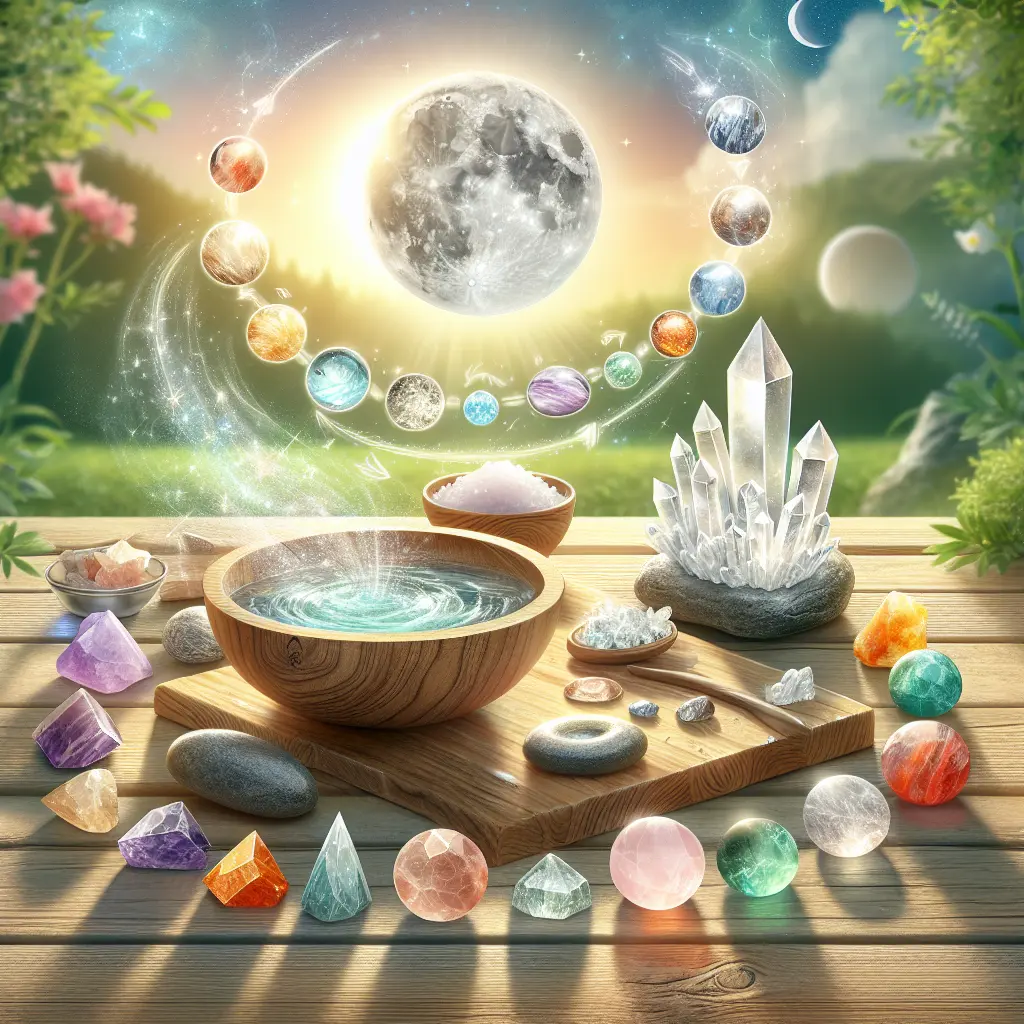
If you’re interested in adding crystals to your own meditation or prayer routine, consider choosing stones that resonate with you—there’s no right or wrong. Cleanse your crystals regularly, whether through moonlight, water (if safe), or incense. Set clear intentions when using them—mindfulness is key.
The story of Nancy Isime and her gemstones is a reminder that our spiritual practices are personal journeys. Whether you see crystals as beautiful decor or meaningful tools for mindfulness, what matters most is how they support your own well-being and intentions.
For more about Nancy Isime’s experience and the conversation it sparked, you can read the article here.
May your path—crystal-lit or otherwise—be guided by openness and curiosity.
Crystals: Personal Choice and Cultural Perceptions
The use of crystals continues to spark diverse conversations about spirituality, wellness, and personal beliefs. Approaching these practices with curiosity and respect allows everyone to find meaning in their own unique ways.
Remember that what matters most is the intention and meaning you ascribe to your own spiritual journey, whether it involves crystals or other practices.
Embrace mindfulness and personal choice as you explore the world of wellness and spirituality.
In the end, it is your individual path that shapes your sense of peace, connection, and clarity.




Leave a Comment